


Introduction
Aluminum Formwork Systems for Residential Use: Concrete casting and molding systems for residential buildings, suitable for wall, beam, column, and floor slab construction.
Customizable content
| Customizable Item | Available Options / Ranges |
|---|---|
| Aluminum Alloy Grade | 6061-T6 / 6063-T6 |
| Aluminum Plate Thickness | 3.0mm / 4.0mm / 5.0mm / 6.0mm |
| Single Panel Length | 300mm / 450mm / 600mm / 900mm / 1200mm / 1500mm |
| Single Panel Width | 100mm / 150mm / 200mm / 250mm / 300mm / 450mm |
| Wall Panel Height | 2400mm / 2700mm / 3000mm |
| Formwork Type | Inner wall panel / Outer wall panel / Slab panel / Beam side panel / Beam bottom panel / Column panel / Internal corner panel / External corner panel |
| Load Capacity Grade | 30 KN/m² / 40 KN/m² / 50 KN/m² |
| Reinforcement Rib Height | 40mm / 50mm / 60mm |
| Reinforcement Rib Spacing | 200mm / 250mm / 300mm |
| Hole Diameter | 12mm / 14mm / 16mm |
| Hole Pitch | 100mm / 150mm / 200mm |
| Connection Method | Pin & wedge connection / Bolt connection |
| Pin Specification | Φ12 / Φ14 |
| Wedge Type | Standard type / Thickened type |
| Corner Angle | 90° / 135° |
| Surface Condition | Mill finish / Anodized (natural color) |
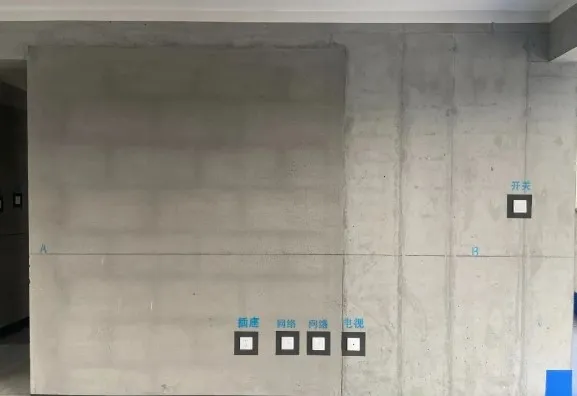
| Concrete Finish Requirement | No plastering |
| System Configuration | Single panel system / Modular combined system |


Product Parameters
| Material | Aluminum 6061-T6 | Bearing capacity (KN/m²) | 30-50KN/m² |
| Aluminum Thickness | 4.00mm | Reuse Times: | >300 times |
| Application: | House, Appartment | Plastering: | No Need |
| Size | Variety of sizes according to project drawing | ||
| Aluminum Formwork | Timber formwork | Steel formwork | |
| Initial investment cost | Higher | Low | Higher |
| Turnover times | Many (usually more than 300 times) | Few (5-8 times) | Many (50-100 times) |
| Maintenance costs | Low | Higher (easy to damage and need frequent replacement) | medium |
| Construction efficiency | High (easy and fast assembly) | Low (time-consuming installation and removal) | high |
| Concrete molding quality | Good (smooth surface) | generally | better |
| Recycling value | High (recyclable) | Low (low residual value) | Higher |
| Environmental protection | Good (recyclable, reduces wood consumption) | Poor (consumes a lot of wood) | good |
| Long-term economic benefits | high | Low | medium |
| weight | Lightweight and easy to carry | Lighter | Heavy, inconvenient to carry |
| Scope of application | Widely used, especially suitable for high-rise and standardized buildings | General Building | Large structural buildings |
Effect after removing the aluminum formwork

Packaging and transportation


FAQ
Q: When is aluminum formwork more suitable than wooden or steel formwork in residential projects?
A: Aluminum formwork is more suitable when the project has many standard floors, repetitive unit types, and high turnover rates (such as residential buildings, apartments, and high-rise residential buildings). For one-off or non-standard structural projects, the initial investment in aluminum formwork is not advantageous.
Q: What key parameters must be confirmed before placing an order to avoid installation problems later?
A: It is essential to confirm the formwork type (wall/beam/slab/column), single-piece size combination, load-bearing capacity, hole spacing, and connection method to ensure they are consistent. Otherwise, on-site problems such as mismatched hole positions or inability to assemble may occur.
Q: Why is there such a large difference in the service life of 6061 aluminum formwork?
A: This mainly depends on the selection of plate thickness, the arrangement of reinforcing ribs, and on-site usage specifications. Insufficient plate thickness or excessive reinforcing rib spacing can lead to deformation. Incorrect demolding and impacts with hard objects will significantly shorten the turnover rate.
Q: What are the most likely points to damage aluminum formwork during construction?
A: Forcibly prying the formwork, striking the edges of the formwork, and premature demolding before the concrete has reached sufficient strength can all cause deformation of the formwork corners or misalignment of holes, affecting subsequent assembly.
Q: How to reduce maintenance and replacement costs during use?
A: Keeping holes and connectors clean, promptly cleaning concrete residue after demolding, and avoiding deformation from stacked formwork are key to extending service life and maintaining assembly accuracy.
Hot Tags: aluminum formwork systems for residential use, China aluminum formwork systems for residential use manufacturers, suppliers, factory, Aluminum Alloy Sheets for Automobile Panels, 5052 aluminum checker plate, 5086 aluminum checker plate, , Aluminum Plate For Plate


